

Table Of Contents
Development Bank for Resilient Prosperity Announces Partnership with Kinesis
Overview
On 22 November 2024 the Development Bank for Resilient Prosperity, or DBRP, announced a partnership with Kinesis. The announcement formed part of a wider set of collaborations intended to support Small Island Developing States. The event took place at the University of the West Indies in Kingston, Jamaica.
About the DBRP
The bank concentrates on the economic and financial difficulties that Small Island Developing States face. Its work looks at how these countries can make better use of the natural resources they have, how they can gain better access to development finance, and how they can build longer-term economic resilience.
Partner Organisations
Kinesis was not the only organisation named that day. The DBRP also announced partnerships with several others:
- The University of the West Indies, which carries out education and research across the Caribbean region.
- The Organisation of Eastern Caribbean States, a regional group that works on economic cooperation and development among its member countries.
- The PVBLIC Foundation, a non-profit that uses media and technology in support of sustainable-development projects.
Topics Discussed at the Event
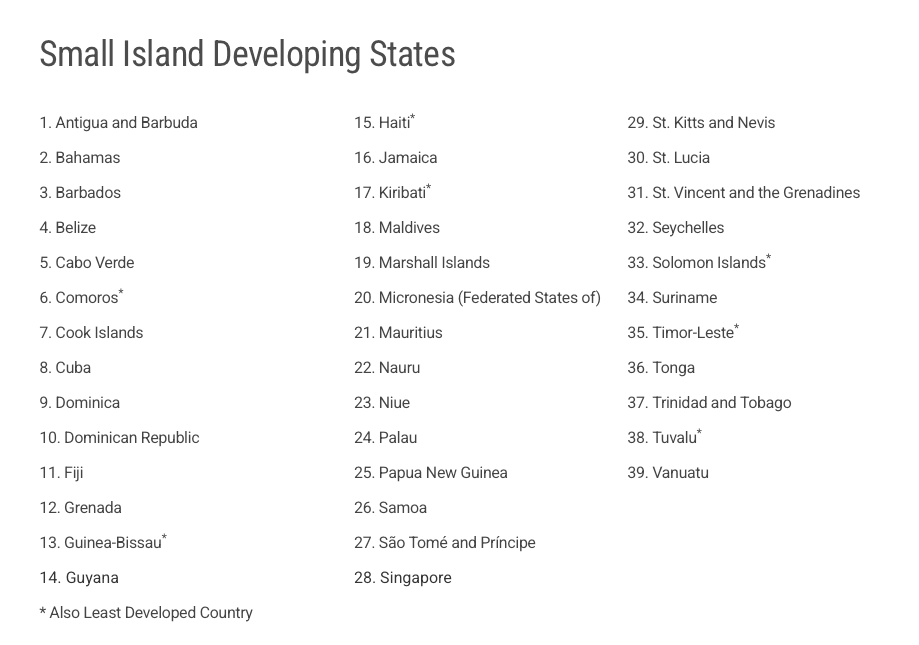
The meeting looked at a number of issues that affect Small Island Developing States. These included the risks linked to climate change, the limited natural resources available to many of the islands, and the difficulties they encounter when trying to reach international financial markets.
Dr Nekeisha Spencer, a senior lecturer in economics at the University of the West Indies, spoke about the need for financial methods that take account of the particular conditions in these states. Professor David Tennant, professor of development finance at the same university, moderated the session and added further background on development finance in the region.
Purpose of the Initiative
The event considered different ways of strengthening economic resilience in Small Island Developing States. Participants discussed how traditional development approaches might be combined with newer financial and policy ideas in order to tackle the longer-term problems these economies face.